






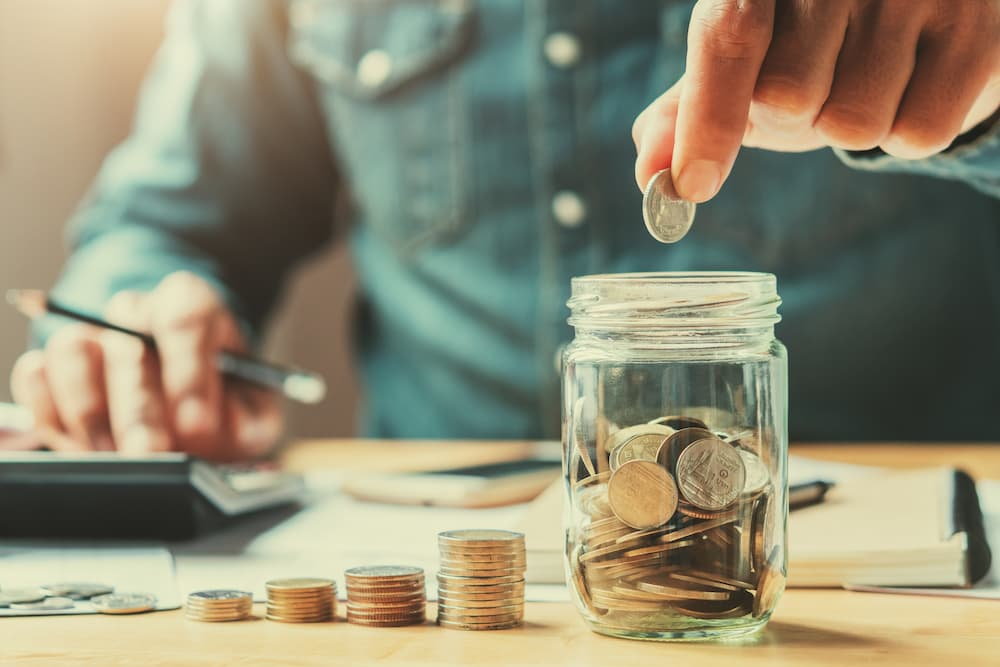

Traveling is one of the most exciting experiences in life. It allows people to explore new places, meet different cultures, taste local food, and create unforgettable memories. However, many people believe traveling is expensive. The truth is that anyone can travel on a budget with smart planning and simple money-saving habits. You do not need to be rich to enjoy a beautiful vacation. By making careful choices before and during your trip, you can save a lot of money and still have an amazing experience.
- Plan Your Trip Early
- Travel During Off-Season
- Set a Daily Budget
- Choose Budget-Friendly Accommodation
- Use Public Transportation
- Eat Like a Local
- Find Free Activities
- Pack Smart and Avoid Extra Fees
- Use Travel Rewards and Discounts
- Avoid Currency Exchange at Airports
- Travel With Friends or Family
- Avoid Unnecessary Shopping
- Stay Connected Wisely
- Be Flexible With Your Travel Plans
- Conclusion
- Frequently Asked Questions (FAQs)
In this article, you will learn the best ways to save money while traveling in an easy and practical way.
Plan Your Trip Early
One of the easiest ways to save money is by planning your trip early. Last-minute bookings are usually expensive, especially for flights and hotels. When you book several weeks or months before your travel date, you often get lower prices and better deals.
Early planning also gives you enough time to compare prices, read reviews, and create a travel budget. You can avoid unnecessary spending because you already know what to expect.
Try using travel apps and websites to track flight prices. Many airlines offer discounts during special sales, and early travelers usually benefit the most.
Travel During Off-Season
Traveling during the peak season can cost a lot more. Hotels, flights, restaurants, and tourist attractions often increase their prices when many tourists visit.
Instead, choose the off-season or shoulder season. For example, beaches are cheaper after summer holidays, and many cities offer lower hotel prices during weekdays or less busy months.
Traveling during quiet seasons has many advantages:
- Cheaper flights and hotels
- Less crowded attractions
- Better local experiences
- Easier transportation
You can enjoy the same destination while spending much less money.
Set a Daily Budget
A travel budget helps you control your spending. Before your trip, decide how much money you can spend each day on food, transportation, shopping, and activities.
When people travel without a budget, they often overspend on unnecessary things. A daily limit keeps your expenses under control and helps you avoid financial stress after returning home.
You can use a notebook or budgeting app to track your spending. Small savings every day can make a huge difference during a long trip.
Choose Budget-Friendly Accommodation
Hotels can take a large part of your travel budget. Luckily, there are many cheaper options available today.
Some affordable accommodations include:
- Hostels
- Guesthouses
- Vacation rentals
- Homestays
- Budget hotels
If you travel with friends or family, sharing a room or apartment can reduce costs even more.
Another smart idea is staying slightly outside the city center. Hotels near tourist areas are often expensive, while nearby neighborhoods may offer lower prices with good transportation access.
Use Public Transportation
Taxis and private cars can quickly become expensive, especially in large cities. Public transportation is usually much cheaper and gives you a chance to experience local life.
Buses, trains, and metro systems are affordable and easy to use in many countries. Some cities also offer tourist transportation passes that provide unlimited rides for a few days.
Walking is another excellent way to save money. It costs nothing and allows you to discover hidden places, local markets, and beautiful streets that many tourists miss.
For short distances, renting a bicycle can also be a fun and affordable option.
Eat Like a Local
Food is an important part of traveling, but eating at expensive restaurants every day can empty your wallet quickly.
One of the best ways to save money is by eating where locals eat. Street food, local cafes, and family-owned restaurants are often cheaper and more authentic than tourist restaurants.
Visit local markets and grocery stores to buy snacks, fruits, and drinks. If your accommodation has a kitchen, you can cook simple meals yourself.
Avoid eating near famous tourist attractions because prices are usually much higher there.
Trying local food not only saves money but also gives you a richer cultural experience.
Find Free Activities
Many travelers spend too much money on entertainment. However, many destinations offer free or low-cost attractions.
Here are some examples:
- Public beaches
- Parks and gardens
- Museums with free entry days
- Walking tours
- Historical streets
- Cultural festivals
- Hiking trails
Before your trip, research free activities in your destination. Many cities have websites that list free events and attractions for tourists.
You do not always need expensive tickets to enjoy a place.
Pack Smart and Avoid Extra Fees
Airlines often charge extra fees for heavy luggage. Packing smart can help you avoid these unnecessary costs.
Carry only what you truly need:
- Comfortable clothes
- Basic toiletries
- Travel documents
- Chargers
- Reusable water bottle
Using a carry-on bag instead of large luggage can save money on baggage fees and help you move more easily.
Also, bring important items like sunscreen, medicine, and power adapters from home because they may cost more in tourist areas.
Use Travel Rewards and Discounts
Many banks, airlines, and travel companies offer reward programs. If you travel often, collecting points and rewards can help you save money on flights, hotels, and transportation.
Student discounts, group discounts, and online coupons are also helpful. Some tourist attractions offer reduced prices for booking online in advance.
Always search for deals before paying full price.
Avoid Currency Exchange at Airports
Airport currency exchange counters usually offer poor exchange rates. This means you lose money before your trip even begins.
Instead:
- Use local ATMs
- Exchange money at trusted banks
- Use travel-friendly debit or credit cards
It is also smart to inform your bank before international travel to avoid card problems abroad.
Keeping some emergency cash is useful, but avoid carrying too much money for safety reasons.
Travel With Friends or Family
Group travel can reduce many costs. When you travel with others, you can share:
- Hotel rooms
- Transportation
- Food expenses
- Rental cars
Traveling with friends can also make the trip more enjoyable and safer.
However, it is important to travel with people who have similar budgets and travel styles to avoid disagreements.
Avoid Unnecessary Shopping
Many travelers spend too much money on souvenirs and shopping. While buying small gifts is fine, avoid purchasing things you do not really need.
Instead of expensive souvenirs, collect memories through photos, postcards, or local experiences.
Focus more on enjoying the destination than spending money on material items.
Stay Connected Wisely
International roaming charges can be very expensive. Instead of using your regular mobile data everywhere, try these options:
- Free hotel Wi-Fi
- Local SIM cards
- Portable Wi-Fi devices
- Offline maps
Downloading maps and travel guides before your trip can also save mobile data and help you navigate easily.
Be Flexible With Your Travel Plans
Flexibility can save a lot of money. Flights are often cheaper on weekdays compared to weekends. Traveling early in the morning or late at night may also reduce ticket prices.
If you are open to different destinations or travel dates, you can take advantage of special offers and cheaper deals.
Sometimes changing your travel date by one or two days can save hundreds of dollars.
Conclusion
Traveling does not have to be expensive. With good planning, smart decisions, and simple budgeting habits, anyone can explore the world without spending too much money.
The best ways to save money while traveling include booking early, using public transportation, eating local food, choosing affordable accommodations, and avoiding unnecessary expenses. Small savings during your trip can add up quickly and allow you to travel longer or more often.
The most important thing is to focus on experiences rather than luxury. Beautiful memories, cultural discoveries, and adventures are what truly make travel special.
By following these simple tips, you can enjoy amazing trips while keeping your budget under control.
Frequently Asked Questions (FAQs)
1. What is the cheapest way to travel?
The cheapest way to travel is by planning early, using public transportation, staying in budget accommodations, and avoiding expensive tourist restaurants.
2. How can I save money on flights?
You can save money on flights by booking early, traveling during off-season, comparing airline prices, and being flexible with travel dates.
3. Is traveling during off-season better?
Yes, off-season travel is usually cheaper and less crowded. Hotels and flights often offer lower prices during quieter months.
4. How much money should I budget for daily travel?
Your daily budget depends on the destination and travel style. Budget travelers often spend less by using affordable transportation and accommodations.
5. What should I avoid spending money on while traveling?
Avoid overspending on luxury hotels, airport shopping, unnecessary souvenirs, expensive taxis, and tourist restaurants near famous attractions.