






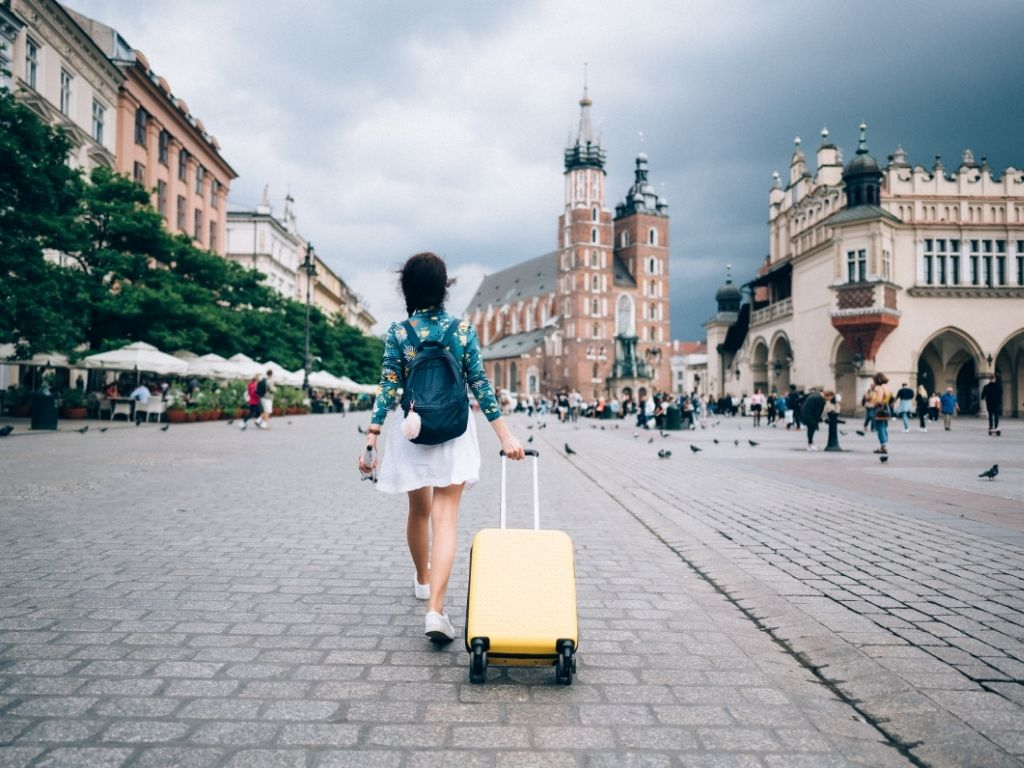

Traveling alone is one of the most empowering experiences a person can have. It gives you freedom, independence, and a chance to discover not only new places but also yourself. However, for many people, the idea of traveling alone brings fear, anxiety, and self-doubt. Thoughts like “What if something goes wrong?”, “What if I feel lonely?”, or “What if I can’t handle it?” often stop people from taking the first step.
- Understanding the Fear of Traveling Alone
- 1. Start with Small Steps
- 2. Plan Your Trip Properly
- 3. Practice Visualization
- 4. Learn Basic Safety Skills
- 5. Accept That Discomfort Is Normal
- 6. Start with Familiar Destinations
- 7. Stay Connected While Traveling
- 8. Focus on the Benefits
- 9. Learn to Trust Yourself
- 10. Take the First Trip
- Final Thoughts
- Frequently Asked Questions (FAQs)
The good news is that fear of traveling alone is completely normal—and it can be overcome. With the right mindset, preparation, and gradual exposure, anyone can learn to travel solo confidently and safely. In this article, we will explore what causes this fear and how to overcome it step by step in a simple, human way.
Understanding the Fear of Traveling Alone
Before overcoming fear, it is important to understand it. Fear usually comes from uncertainty. When you travel alone, you step out of your comfort zone. You are responsible for everything—navigation, safety, decisions, and problem-solving. This can feel overwhelming at first.
Some common reasons people fear solo travel include:
- Fear of getting lost in a new place
- Fear of loneliness
- Fear of safety issues
- Lack of experience traveling alone
- Overthinking worst-case scenarios
- Family or social pressure
These feelings are normal. The brain naturally tries to protect you by imagining dangers. But most of these fears are based on imagination, not reality.
1. Start with Small Steps
You don’t need to jump into international solo travel immediately. Start small. Visit a nearby city alone for a day trip. Go to a café alone. Take public transport by yourself.
These small experiences build confidence. Each time you complete a small solo activity, your brain learns that “I can do this safely.” Gradually, your fear reduces.
Think of it like building a muscle. You don’t lift the heaviest weight on day one. You start small and grow stronger over time.
2. Plan Your Trip Properly
One of the biggest reasons for fear is lack of preparation. When you don’t know what to expect, your mind creates worst-case scenarios.
Planning reduces uncertainty.
Before traveling, make sure you:
- Research your destination
- Know transportation options
- Book safe accommodation
- Save important contact numbers
- Learn basic local phrases if traveling abroad
- Check weather and local culture
When you are well-prepared, you feel more in control. And control reduces fear.
3. Practice Visualization
Visualization is a powerful mental tool. Imagine yourself traveling alone successfully. Picture yourself walking through airports confidently, exploring streets, enjoying food, and meeting people.
Your brain cannot fully distinguish between real and imagined experiences. So, when you visualize success repeatedly, your confidence increases.
Instead of imagining “something bad might happen,” train your mind to imagine “I will handle everything calmly.”
4. Learn Basic Safety Skills
Fear often comes from not knowing how to stay safe. Learning basic travel safety rules can give you peace of mind.
Some simple safety tips include:
- Keep your belongings secure
- Avoid unsafe areas at night
- Share your location with a trusted person
- Keep emergency numbers saved
- Trust your instincts
- Don’t overshare personal details with strangers
When you know how to protect yourself, fear naturally decreases.
5. Accept That Discomfort Is Normal
Traveling alone will feel uncomfortable at first. That is completely normal. Growth always comes with discomfort.
You may feel awkward eating alone or walking in a new place without company. But these feelings are temporary. The more you do it, the easier it becomes.
Instead of trying to avoid discomfort, accept it. Say to yourself: “It’s okay to feel nervous. I am still safe.”
6. Start with Familiar Destinations
If you are very nervous, begin with places that feel familiar or culturally similar. For example, travel within your own country before going abroad.
Familiar environments reduce stress because you already understand the language, food, and culture.
Once you gain confidence, you can slowly explore more unfamiliar destinations.
7. Stay Connected While Traveling
One common fear is feeling alone. But solo travel does not mean isolation.
You can stay connected by:
- Calling friends or family
- Sharing daily updates
- Using social media
- Joining travel groups or tours
- Staying in hostels or social accommodations
This helps you feel supported even when you are physically alone.
8. Focus on the Benefits
When fear takes over, remind yourself why you want to travel alone in the first place.
Solo travel offers:
- Freedom to choose your own schedule
- Self-confidence and independence
- Personal growth
- New friendships
- Life-changing experiences
- Strong problem-solving skills
When you focus on benefits instead of fear, your mindset shifts.
9. Learn to Trust Yourself
Many people fear solo travel because they don’t trust their own abilities. But you are more capable than you think.
Start trusting small decisions in daily life. For example, decide where to eat alone or what route to take. Each decision builds self-trust.
Over time, you will realize that you can handle situations without depending on others.
10. Take the First Trip
At some point, you must take the first step. No amount of thinking will replace real experience.
Your first solo trip does not need to be perfect. You might make mistakes, feel nervous, or face small challenges—and that is okay.
What matters is that you did it.
After your first trip, you will realize something powerful: the fear was bigger in your mind than in reality.
Final Thoughts
Fear of traveling alone is not something to eliminate completely—it is something to understand and manage. Everyone feels fear when stepping into the unknown. The difference is that some people let fear stop them, while others move forward despite it.
Start small, prepare well, trust yourself, and take one step at a time. With each experience, your confidence will grow, and soon traveling alone will not feel scary—it will feel exciting and freeing.
Frequently Asked Questions (FAQs)
1. Is it normal to feel scared of traveling alone?
Yes, it is completely normal. Most people feel nervous before their first solo trip because it involves stepping outside their comfort zone.
2. What is the best way to start solo travel?
Start with small trips like visiting a nearby city or spending a day alone in a familiar place. Gradual exposure builds confidence.
3. How can I stay safe while traveling alone?
Plan your trip well, stay aware of your surroundings, avoid risky areas, and keep emergency contacts ready. Trust your instincts.
4. Will I feel lonely when traveling alone?
Sometimes you might, but it doesn’t last long. You can stay connected with friends, meet new people, or join group activities.
5. What if something goes wrong during my trip?
Stay calm and think step by step. Most problems have solutions. Preparation and basic safety knowledge help you handle unexpected situations.