






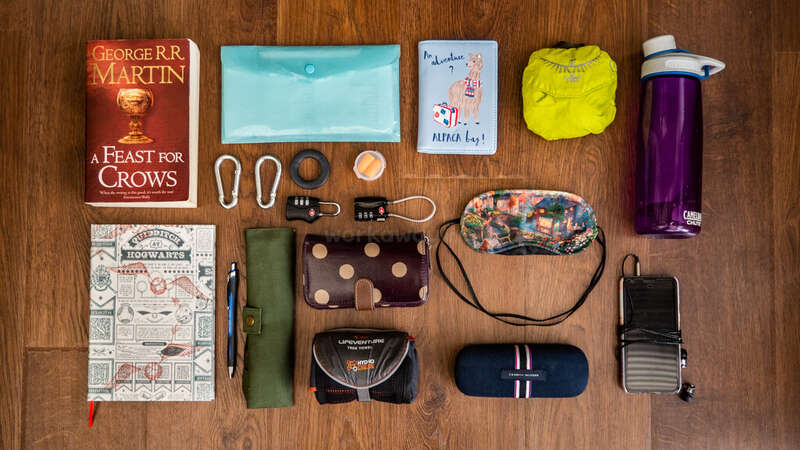

Traveling to another country is exciting. It can also feel a little stressful, especially when it comes to packing. Many people ask the same question before a trip: “What should I pack for international travel?” The truth is, packing well can make your journey smooth, comfortable, and enjoyable, while poor packing can create unnecessary problems.
- 1. Start with the Basics: Travel Documents
- 2. Money and Payment Essentials
- 3. Clothing: Pack Smart, Not Heavy
- 4. Toiletries and Personal Care Items
- 5. Medicines and Health Kit
- 6. Electronics and Travel Gadgets
- 7. Travel Comfort Items
- 8. Important Safety Items
- 9. Bags and Organization Tools
- 10. Optional But Useful Items
- Smart Packing Tips for International Travel
- 1. Use the “Less is More” Rule
- 2. Roll Your Clothes
- 3. Pack for 7 Days Even for Longer Trips
- 4. Keep Essentials in Carry-On
- 5. Make a Checklist
- Final Thoughts
- FAQs About Packing for International Travel
This guide will help you understand exactly what to pack, why you need it, and how to stay organized. Everything is explained in a simple, human way so you can follow it easily, even if it is your first international trip.
1. Start with the Basics: Travel Documents
Before anything else, your most important items are your travel documents. Without them, you cannot even begin your journey.
Make sure you pack:
- Passport (check expiry date)
- Visa (if required)
- Flight tickets (printed or digital copy)
- Hotel booking confirmations
- Travel insurance papers
- Driving license (if you plan to drive abroad)
A smart tip is to keep both printed copies and digital copies on your phone or email. Sometimes phones run out of battery or internet is not available, so printed backups are helpful.
Also, keep all important documents in a small waterproof folder so they stay safe and organized.
2. Money and Payment Essentials
When traveling internationally, managing money is very important.
Pack:
- Local currency of your destination (small amount for immediate use)
- Debit or credit cards
- A secure money belt or wallet
- Emergency cash (hidden separately)
Before traveling, inform your bank that you are going abroad so your card doesn’t get blocked. Also, try not to carry all your money in one place. If something is lost, you will still have backup funds.
3. Clothing: Pack Smart, Not Heavy
One of the biggest mistakes travelers make is packing too many clothes. You do not need your entire wardrobe. Instead, pack according to the weather and length of your trip.
Here is a simple guide:
- 3–5 casual outfits
- 1–2 formal outfits (if needed)
- Comfortable sleepwear
- Underwear and socks for each day or every two days
- A light jacket or sweater (even for warm countries, indoor places can be cold)
- One pair of comfortable shoes
- Optional: sandals or slippers
Always check the weather forecast of your destination before packing. If you are visiting multiple countries, pack layers that you can mix and match easily.
A helpful tip is to choose neutral-colored clothes so you can reuse them in different combinations.
4. Toiletries and Personal Care Items
Even though you can buy toiletries abroad, it is better to carry your essentials, especially for the first few days.
Pack:
- Toothbrush and toothpaste
- Shampoo and conditioner (travel size)
- Soap or body wash
- Face wash and moisturizer
- Deodorant
- Razor or shaving kit
- Hairbrush or comb
- Basic makeup (if you use it)
If you take prescription skincare or personal care products, always carry them in your hand luggage.
5. Medicines and Health Kit
Health should always come first when traveling. Even a small headache or fever can ruin your trip if you are not prepared.
Pack a small health kit including:
- Pain relievers (like paracetamol)
- Motion sickness tablets
- Band-aids
- Cold and flu medicine
- Any prescribed medication (with prescription copy)
- Vitamins (optional)
If you have a medical condition, carry extra medicine in case of delays. Keep medicines in original packaging to avoid airport confusion.
6. Electronics and Travel Gadgets
In today’s world, electronics are essential for international travel.
Pack:
- Mobile phone and charger
- Power bank
- Travel adapter (very important for different plug types)
- Earphones or headphones
- Laptop or tablet (if needed)
- Camera (optional)
A universal adapter is very useful because different countries use different plug types. Also, download offline maps and travel apps before your trip in case you don’t have internet access.
7. Travel Comfort Items
Long flights and journeys can be tiring. A few comfort items can make a big difference.
Consider packing:
- Neck pillow
- Eye mask
- Earplugs
- Light blanket or shawl
- Snacks (especially for long flights)
These small items can help you sleep better and feel more relaxed during travel.
8. Important Safety Items
Safety should always be part of your packing plan.
Pack:
- Copies of passport and ID
- Emergency contact list
- Small lock for luggage
- Travel insurance details
- Backup bank cards
Also, share your travel plan with a family member or friend before leaving.
9. Bags and Organization Tools
Good organization makes travel easier.
Useful items include:
- Carry-on bag (for essentials)
- Checked luggage
- Packing cubes (to separate clothes)
- Ziplock bags (for liquids or small items)
- Laundry bag (for used clothes)
Packing cubes are especially helpful because they keep your suitcase neat and save time when searching for items.
10. Optional But Useful Items
These are not must-haves, but they can improve your travel experience:
- Reusable water bottle
- Sunglasses
- Travel guidebook or notes
- Small umbrella
- Notebook and pen
- Foldable bag for shopping
A reusable water bottle is especially useful for saving money and staying hydrated.
Smart Packing Tips for International Travel
Now that you know what to pack, here are a few smart tips:
1. Use the “Less is More” Rule
Do not overpack. Most travelers use only half of what they bring.
2. Roll Your Clothes
Rolling clothes saves space and reduces wrinkles.
3. Pack for 7 Days Even for Longer Trips
You can wash clothes during travel instead of carrying too many.
4. Keep Essentials in Carry-On
Always keep documents, money, electronics, and medicine in your hand luggage.
5. Make a Checklist
Before packing, write a list so you don’t forget anything important.
Final Thoughts
So, what should you pack for international travel? The answer is simple: pack smart, light, and organized. Focus on essentials like documents, clothing, money, and health items. Add comfort and electronics based on your needs.
The goal is not to carry everything you own, but to carry what helps you travel comfortably and stress-free. Once you master smart packing, international travel becomes much easier and more enjoyable.
FAQs About Packing for International Travel
1. How many clothes should I pack for international travel?
It depends on your trip length, but usually 3–5 outfits are enough for a week. You can wash clothes during longer trips instead of overpacking.
2. Can I carry medicines in my hand luggage?
Yes, you can and should carry essential medicines in your hand luggage, especially prescription drugs. Keep them in original packaging.
3. What is the most forgotten item when traveling internationally?
Travel adapters and chargers are most commonly forgotten. Many travelers also forget passport copies.
4. Should I pack food for international travel?
You can pack light snacks like biscuits or protein bars, especially for long flights. However, avoid carrying restricted food items.
5. Is it better to check luggage or travel light?
Traveling light is usually better. It saves time, reduces stress, and makes moving around easier. However, checked luggage is useful for longer trips.